iIn this guide, you'll learn:
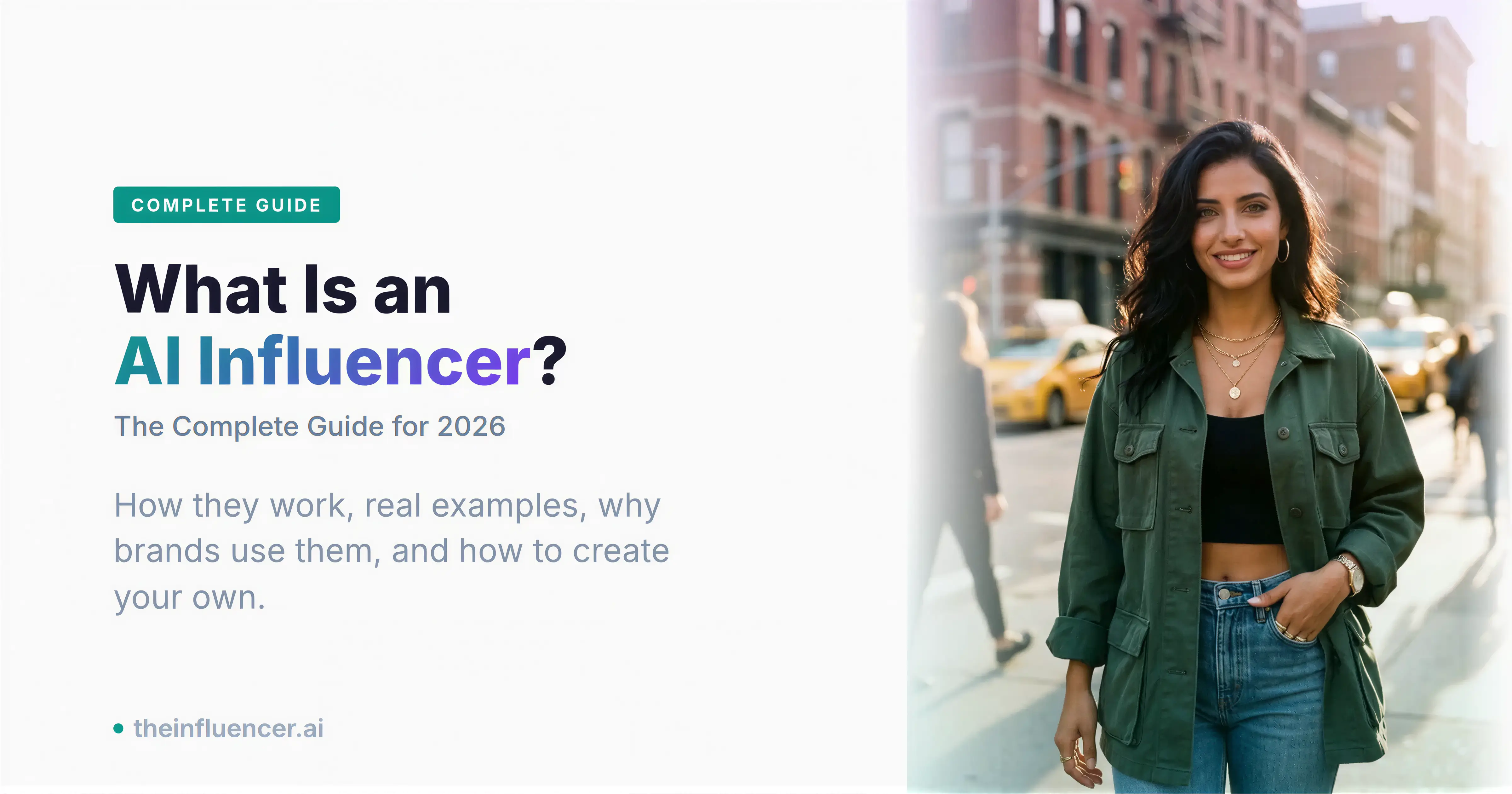
An AI influencer is a computer-generated character designed to look, act, and post like a real social media creator. They build audiences, partner with brands, and can generate revenue without being human.
Some are hyper-realistic. Some are clearly stylized. But the job is the same: build attention, tell a story, and influence buying behavior.
The reason this category matters is simple. It is no longer just a novelty format. It sits inside a very large influencer marketing economy, and the AI slice is now big enough to be its own serious business category.
Influencer Market
$32.55B
Total global influencer marketing spend as of 2025 (Statista).
AI Influencer Slice
$1.5B
Estimated share for AI-generated influencers (industry projections, 2025).
Why It Matters
Owned IP
Brands are not just buying reach. They can build characters they control long term.
How AI Influencers Actually Work
There is no single production method. The technology stack depends on the look you want, the budget you have, and how much consistency you need.
Full CGI
The original route: 3D modeling, rigging, and rendering. It is expensive and slower, but you control every detail.
Generative AI + LoRA
The newer route: generate a face, train for consistency, and reuse that identity across outfits, locations, and poses.
Motion and Video
Motion transfer, image-to-video, and lip sync tools make the character move, speak, and feel more alive in short-form video.
Photo Refinement
Editing is where the illusion gets finished: lighting, hands, texture, and tiny imperfections that stop the image looking synthetic.
The important strategic shift is that newer generative workflows make it far cheaper to produce a convincing digital person than the full CGI route that dominated the first wave of virtual influencers. A dedicated AI influencer generator like The Influencer AI handles face training, variation, and editing in one place, making the process practical for solo creators and small teams without a CGI background.
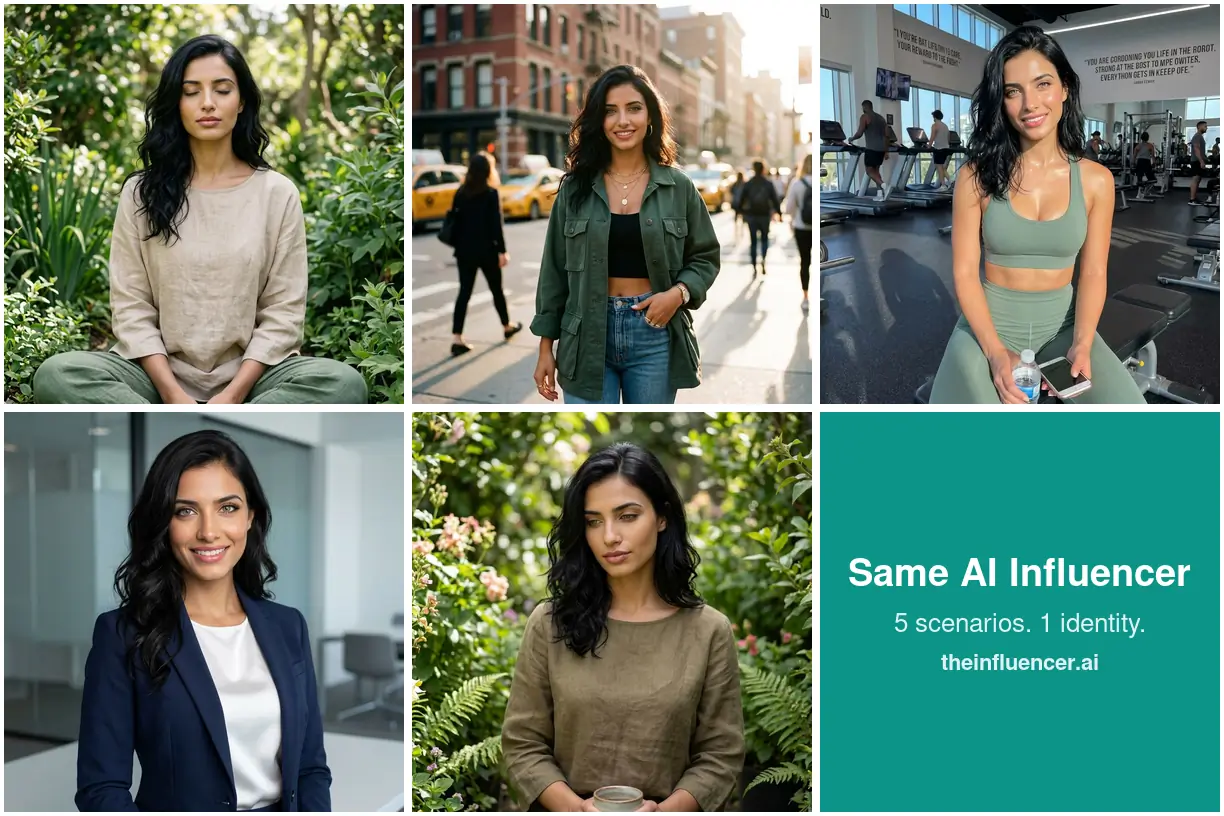
A strong AI influencer is not just one good image. It is one recognizable identity holding together across very different scenarios.
The AI Influencers You Should Actually Know About
Abstract explanations only get you so far. The easiest way to understand the category is to look at the characters that define its different business models.
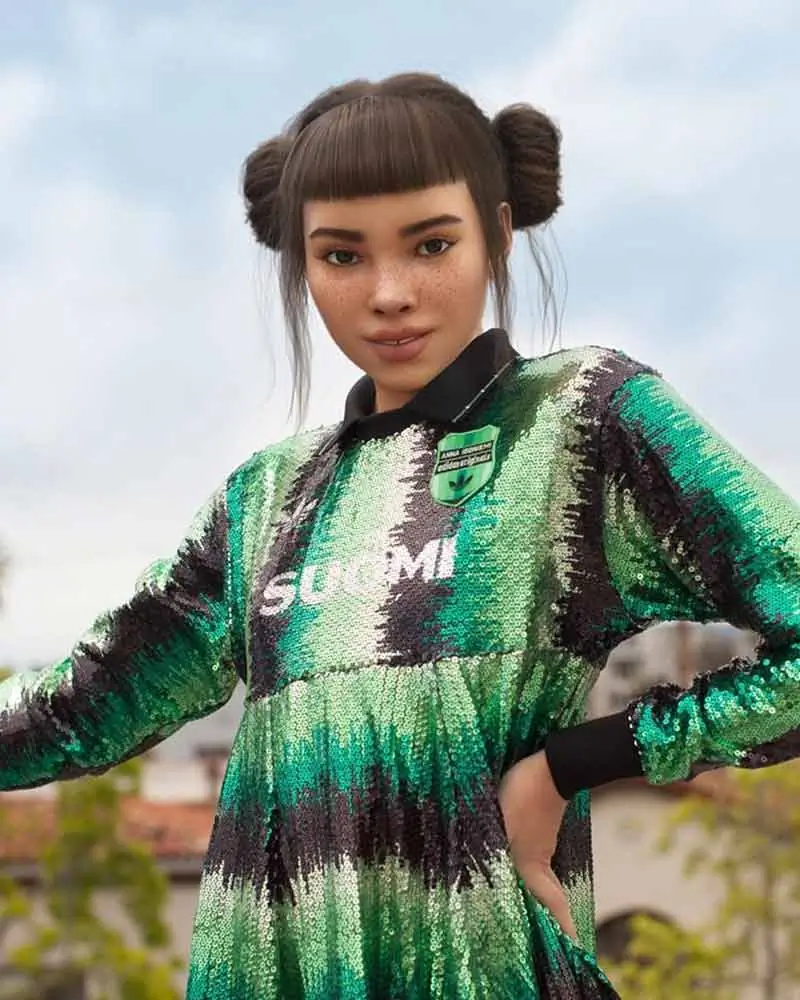
The OG
Lil Miquela
Created by Brud in 2016, Lil Miquela was the first virtual influencer to break into the mainstream and prove the category could attract major brand partnerships.
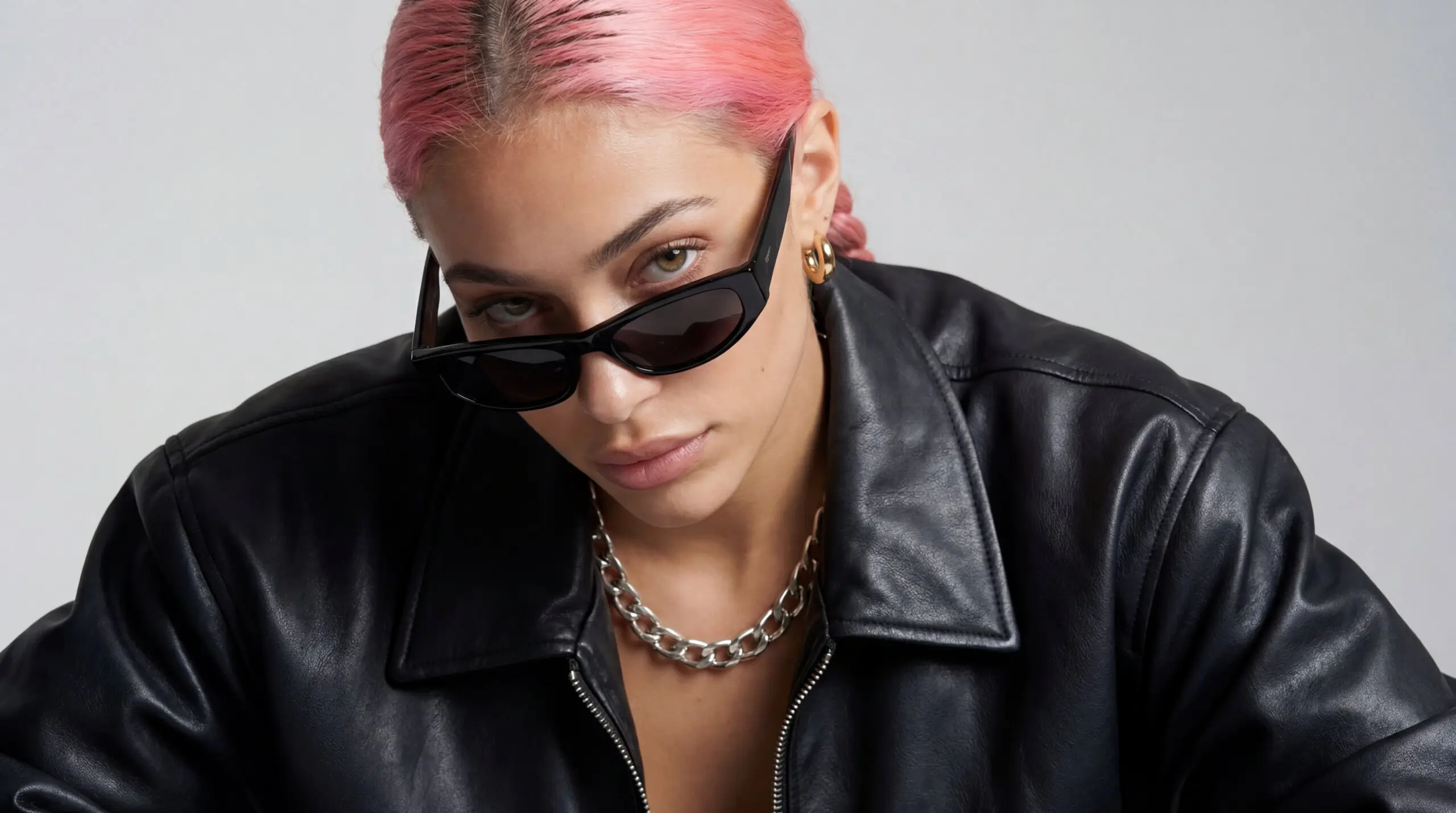
The Money Story
Aitana Lopez
Aitana is an AI fitness model from Barcelona created by The Clueless, and the clearest example of AI influencer monetization at work.
The Corporate Play
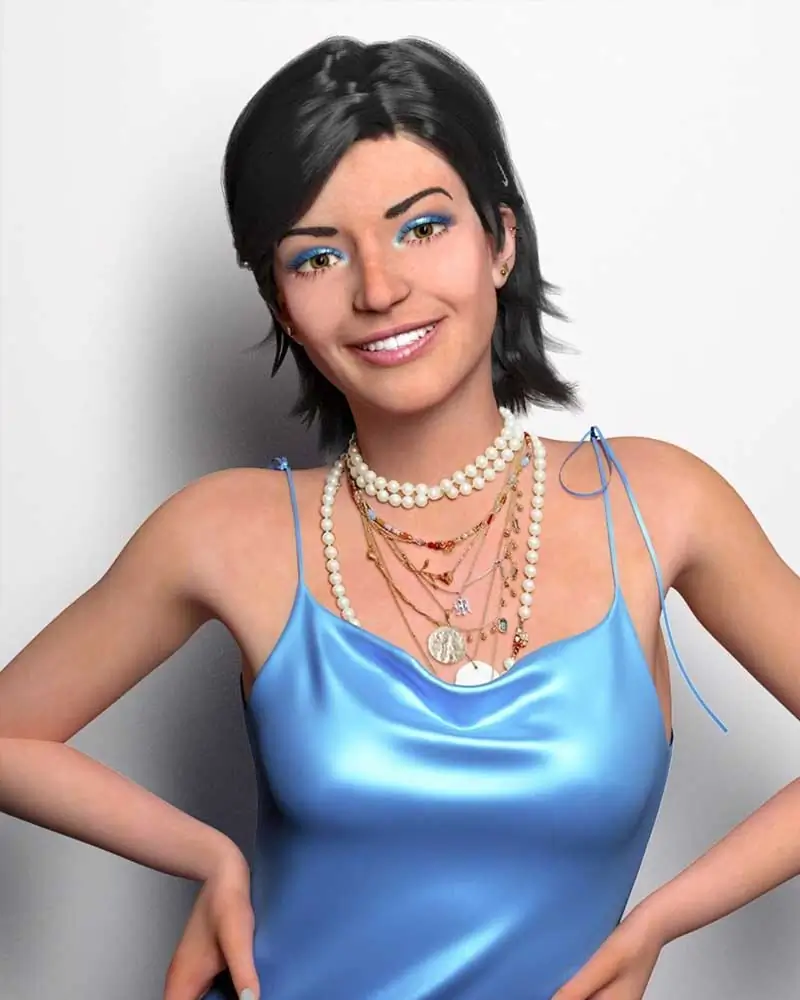
Lu do Magalu
Magazine Luiza uses Lu as a brand-owned virtual ambassador. She is not pretending to be human, which makes the model easier for enterprise teams to adopt.
The Wildcard
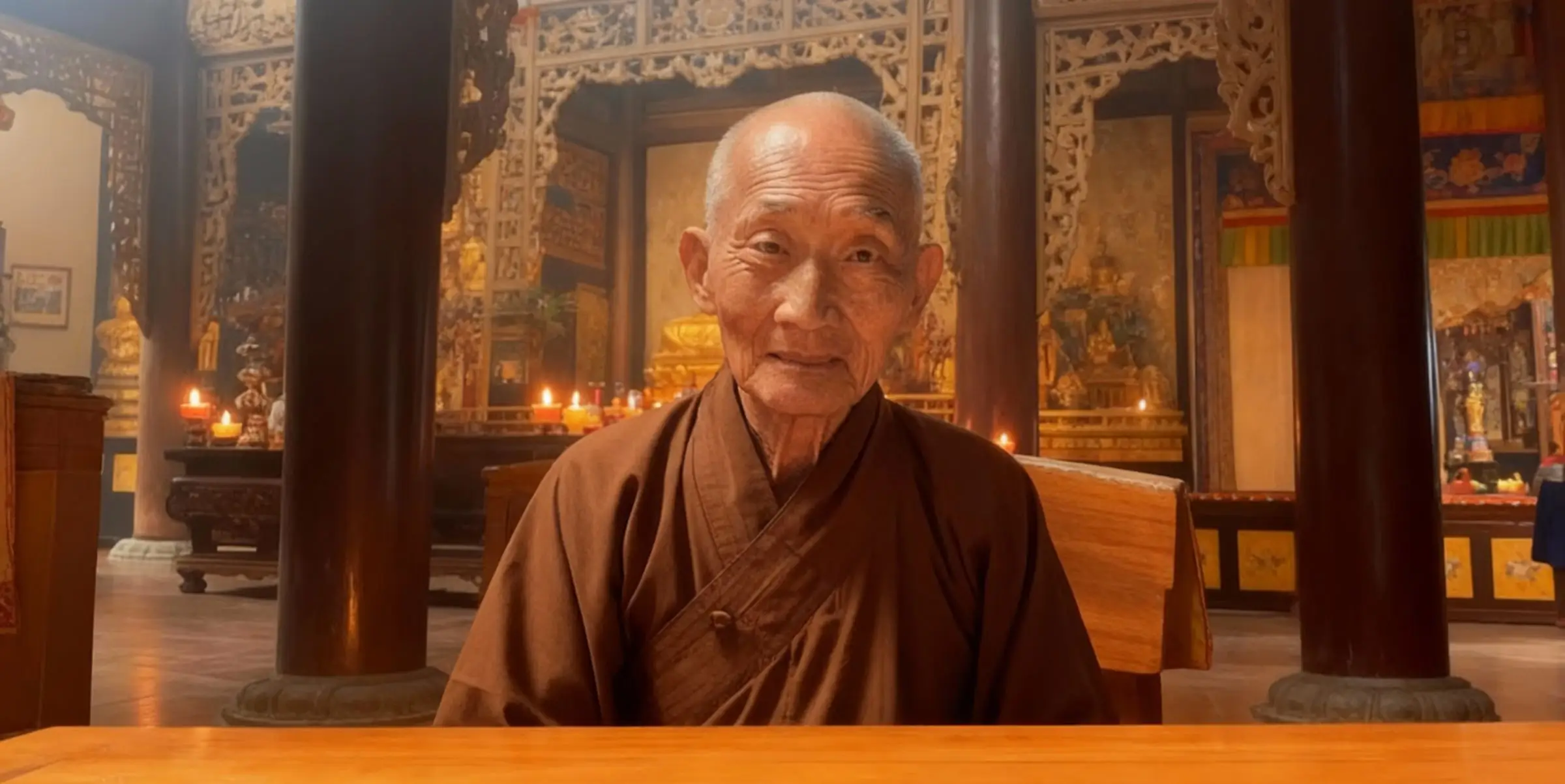
Yang Mun
Yang Mun is an AI Buddhist monk account built around wellness and spiritual content, showing the category is much broader than fashion or glamour.
Others worth knowing
Why Brands Are Actually Using AI Influencers
The hype only lasts if there is a business case underneath it. For brands, the appeal is not mainly the novelty. It is control, scalability, and asset ownership.
Brand Safety
They do not go off-script, create surprise scandals, or derail a campaign with off-brand behavior.
24/7 Availability
No flights, no rescheduling, and no production bottlenecks. Content can be made whenever the campaign needs it.
Localization
The same character can appear in different markets, contexts, and languages without rebuilding the campaign from scratch.
Better Economics
Brands can often create far more content for the cost of a single traditional influencer shoot.
Owned IP
Instead of renting someone else's audience and image, the brand owns the long-term character asset itself.
Important nuance
AI influencers still do not carry the same trust signature as real people. The brands that tend to use them well are either transparent about what they are, or deploy them where realism is not the core claim being sold.
How People Actually Make Money With AI Influencers
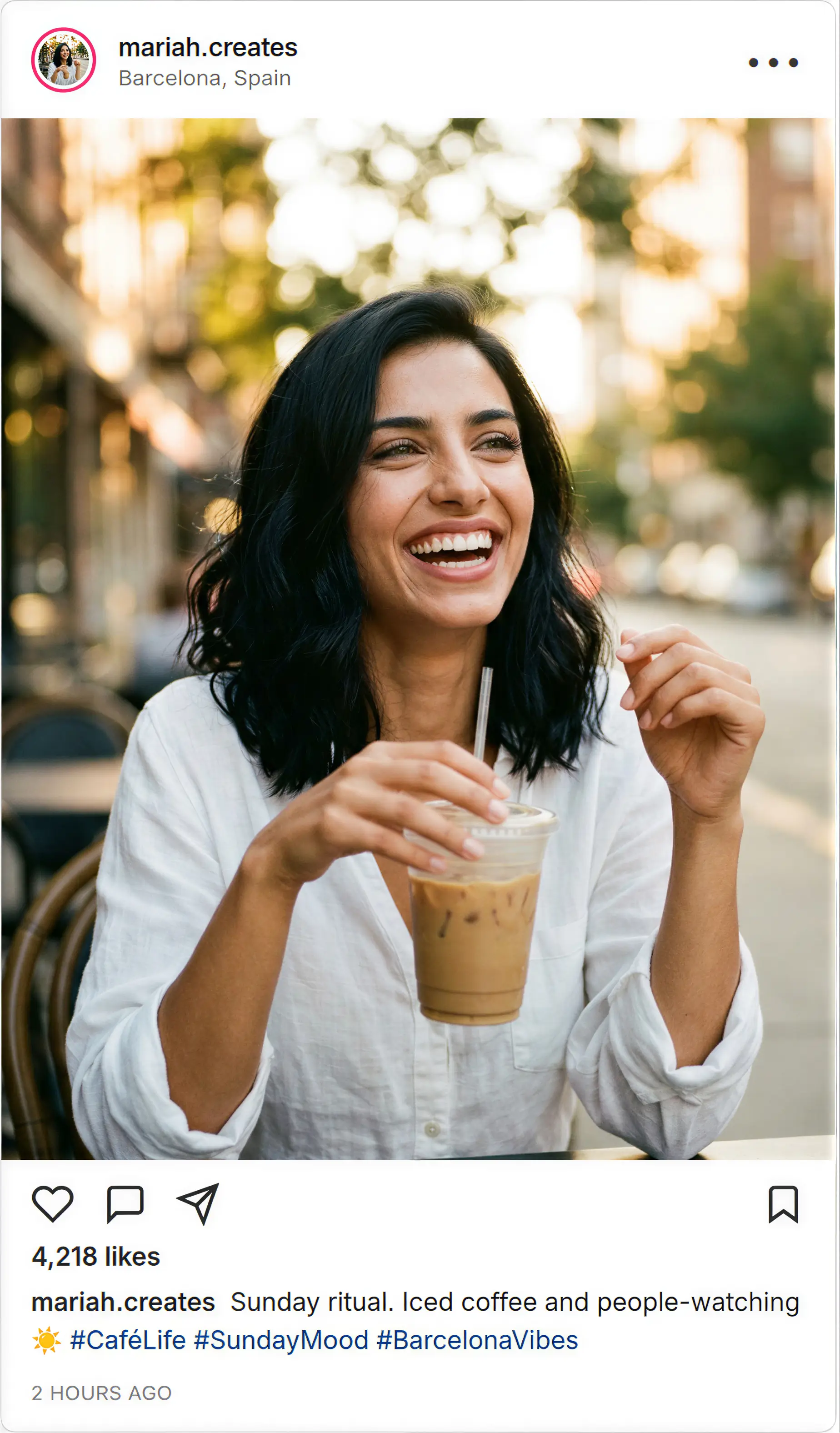
The revenue model is familiar. The mechanics look a lot like traditional creator monetization, but the margins can be very different because the virtual talent never needs a travel budget, day rate, or reshoot.
Brand Deals
Sponsored posts remain the clearest revenue stream. The difference is that the virtual talent never invoices by the day.
Subscriber Platforms
Fanvue- or Patreon-style memberships can monetize a small but engaged audience before brand deals arrive.
Digital Products and Merch
Presets, guides, wallpapers, and merchandise use the same monetization logic as human creator businesses.
Realistic expectations
Most AI influencers do not make meaningful money. The ones that do are run like real businesses: clear niche, consistent publishing, active community management, and deliberate brand outreach. AI removes part of the production burden. It does not remove the need for strategy.
The Honest Downsides
The category is commercially interesting, but it comes with real trust and ethics problems that are worth understanding before you build.
Transparency Pressure
Audiences increasingly expect AI-generated content to be disclosed clearly. Hiding it is a weak long-term strategy.
Beauty Standard Distortion
Many AI influencers default to unrealistically perfected faces and bodies, which can intensify already harmful norms.
The Uncanny Valley
Even strong generations can still look subtly wrong. Dead eyes, strange hands, and mismatched lighting can kill trust fast.
Authenticity Questions
The more an AI influencer pretends to have real experiences it never had, the harder the trust problem becomes.
The most durable position is also the simplest: AI influencers work best when they are not pretending to be something they are not. A character that's openly AI is far easier to defend than one pretending to be real.
Want the practical version?
If this guide explains the market, our hands-on tutorials show the workflow. Use our AI influencer build guide and our lip sync fixes article to move from theory into production.
Create Your AI InfluencerHow to Create Your Own AI Influencer
If you want to build one yourself, the process is less about a single magic tool and more about creating a repeatable system that preserves identity while producing enough content to matter.
Define the Character
Do not start with tools. Start with identity: niche, audience, personality, visual aesthetic, and why anyone should care.
- Clarify the niche and target audience
- Decide the tone of voice and personality
- Set the visual signature: hair, styling, palette, setting
- Give the character a reason to exist beyond just looking attractive
Generate a Consistent Face
Consistency is the real technical challenge. The same person needs to look recognizable across hundreds of posts.
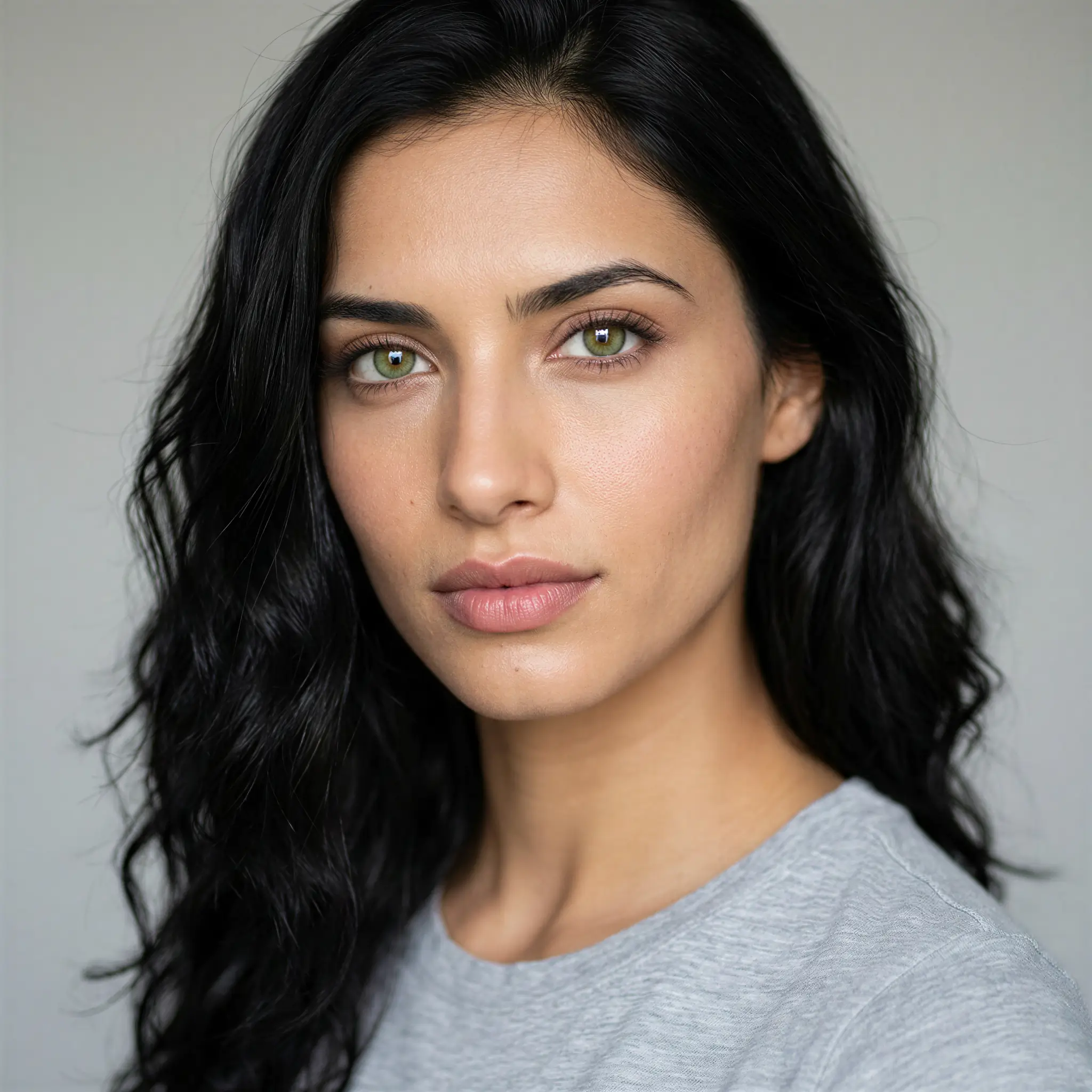
It's critical to have a locked-in, consistent AI person that is preserved across every prompt, outfit, and setting.
Use a dedicated AI influencer platform
Tools like The Influencer AI handle face consistency, variation, and realism without heavy technical setup — the fastest path for most creators.
DIY with Stable Diffusion and LoRA
More control, steeper learning curve. Expect trial and error around training, prompting, and quality control.
Hire a CGI artist
The premium route. Higher cost, higher control, and often the best option for polished brand-owned characters.
Build a Content Pipeline
One image is not a creator business. You need photos, captions, stories, short videos, edits, and a posting rhythm you can sustain.
- Batch-produce content so you stay one or two weeks ahead
- Use AI photo editing to refine artifacts and add realism
- Plan for Reels, stories, and motion content early
- Keep the workflow repeatable, not just impressive once
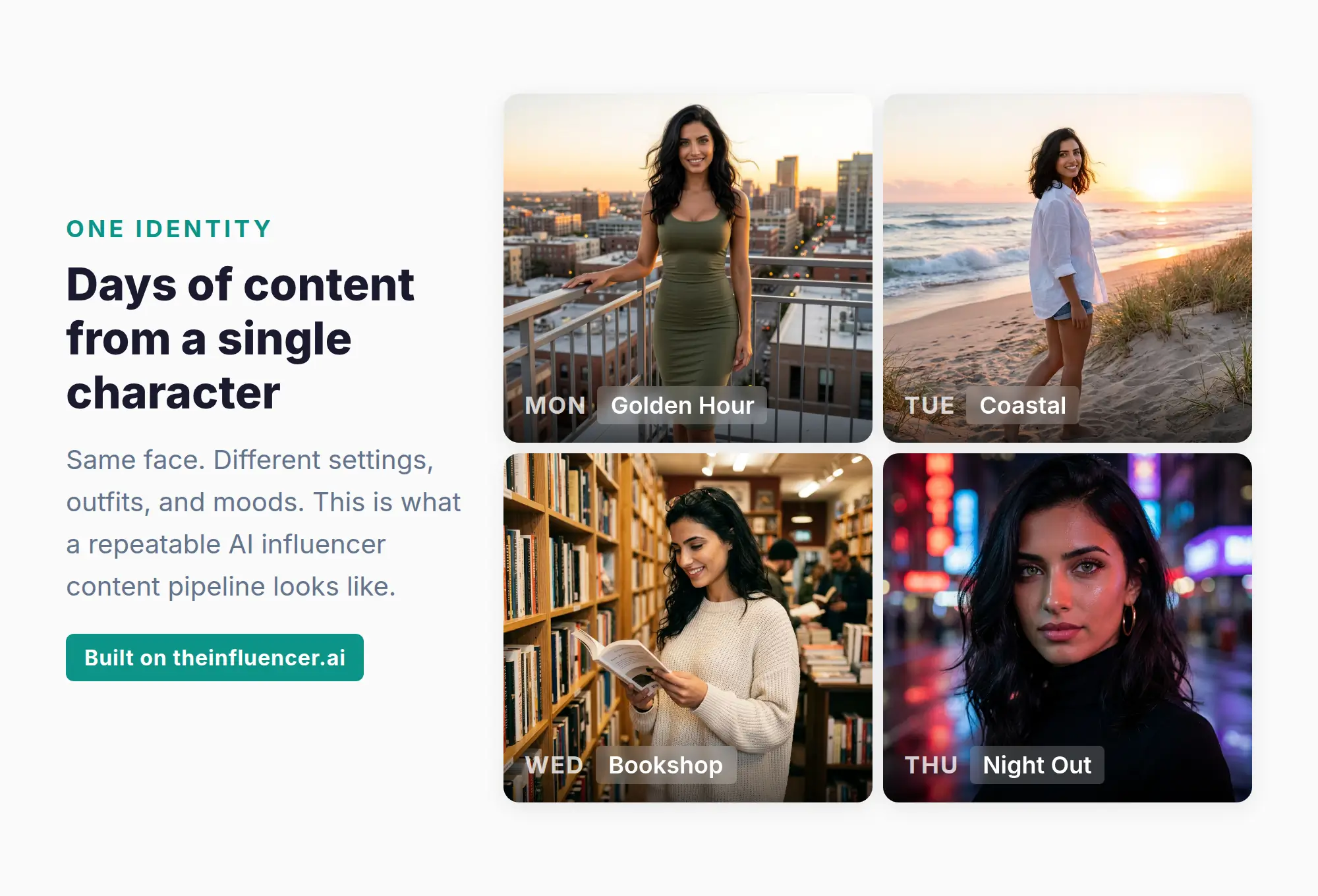
Same character, four posts, four different moods. A repeatable content pipeline built on The Influencer AI.
Post Like a Real Creator
Social growth still runs on the same fundamentals: consistency, community management, relevance, and repeatable engagement.
- Post consistently on the platform that matches the niche
- Reply to comments and manage the community actively
- Use platform-native formats, not just static photos
- Build recurring themes so the audience recognizes the account quickly
Monetize Strategically
Do not force monetization too early. Build trust and audience first, then match the offer to the niche and engagement quality.
- Start with small brand collaborations once the audience is engaged
- Use subscriber platforms if the content supports it
- Layer in digital products or merch later
- Treat monetization as a business system, not a lucky break
If you want the shortest route from this conceptual article to actual production, start with How to Create an AI Influencer Like Aitana Lopez. If you are moving into talking-head video, follow it with AI Lip Sync Looks Bad? 5 Fixes.
What's Next for AI Influencers?
Image quality has improved fast. What used to be obvious AI now often looks close enough to real photography that casual users do not immediately flag it.
Video is the next major unlock. Once identity-consistent video becomes easier and cheaper, AI influencers will stop feeling like mostly-static Instagram products and start behaving more like full multimedia creator brands.
The long-term winners are unlikely to be the people treating AI as a trick. They will be the teams that use it as production leverage while staying clear about what they are building and why an audience should care.
The bottom line: AI influencers are not a shortcut to influence. They are a different way to build a creator brand — one where you own the talent.
Frequently Asked Questions
Are AI influencers real people?
No. AI influencers are computer-generated characters managed by a real person or team, but the influencer itself does not exist as a physical human.
How much money do AI influencers make?
The range is huge. A few top accounts make meaningful revenue through brand deals and memberships, but most AI influencers make little or nothing, just like most human influencers.
Is it legal to create an AI influencer?
Usually yes, but disclosure rules and platform policies are evolving. The safest path is transparency, clear labeling where needed, and avoiding any misuse of a real person's likeness.
How do I start an AI influencer from scratch?
Start with character design, then solve face consistency, build a repeatable content pipeline, and post consistently before pushing hard on monetization.
Can brands tell if an influencer is AI?
Experienced marketers often can, especially when the imagery is too perfect or the content feels unnatural. Casual users are less reliable at spotting it, especially as generation quality improves.
What is the difference between an AI influencer and a virtual influencer?
Virtual influencer is the broader category. AI influencer is the more specific modern subset built with generative AI tools rather than only traditional CGI pipelines.
Related guides
Next Step
How to Create an AI Influencer Like Aitana Lopez
Use this after the big-picture guide when you want the concrete workflow for designing, training, and scaling a recognizable AI character.
Read the guideVideo Workflow
AI Lip Sync Looks Bad? 5 Fixes
Once your character exists, this guide helps you avoid the most common talking-video mistakes and improve realism fast.
Read the guideReady to build one instead of just reading about it?
Use The Influencer AI to turn the concept into a consistent character, then expand into images, editing, and video workflows that people actually recognize.
Create Your AI Influencer